Summer Camp: Five Days, One Robin, New Friends
Author: Alex, Youth Ambassador
This the summer of 2025, the charity Action for Conservation (AFC) ran week-long residential Summer Camps in various locations in England and Wales. Designed with the aim to educate and inspire the next generation about the natural world and what can be done to protect it.
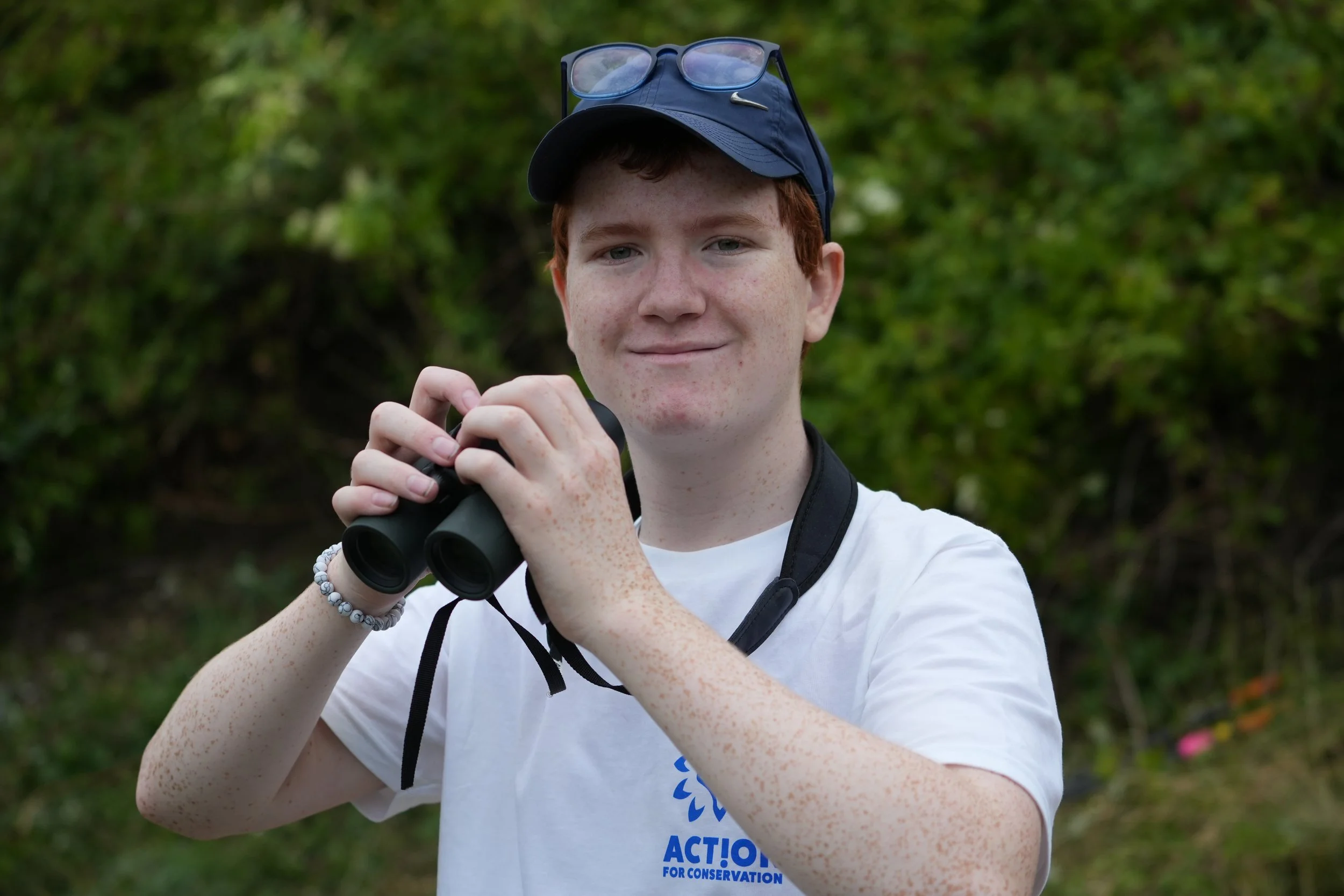
My name is Alex, I am 14, and I applied for and was selected to take part in the South East camp, just outside of Lewes, East Sussex (Alex is shown below holding binoculars).
It was truly one of the best weeks of my life!
The camp’s central aim is simple but powerful: to nurture young people’s connection with nature while equipping them with practical skills and knowledge to take action for the environment. By combining hands-on conservation work with opportunities to learn about ecology, biodiversity, and sustainability, there were 18 young people on my camp ranging in age from 12 to 16 years, and the majority of people came from either London or Brighton. Almost everyone came on their own, knowing no one else in the group, which was both scary but exciting at the prospect of meeting new people and making new friends. The week was both educational and empowering.
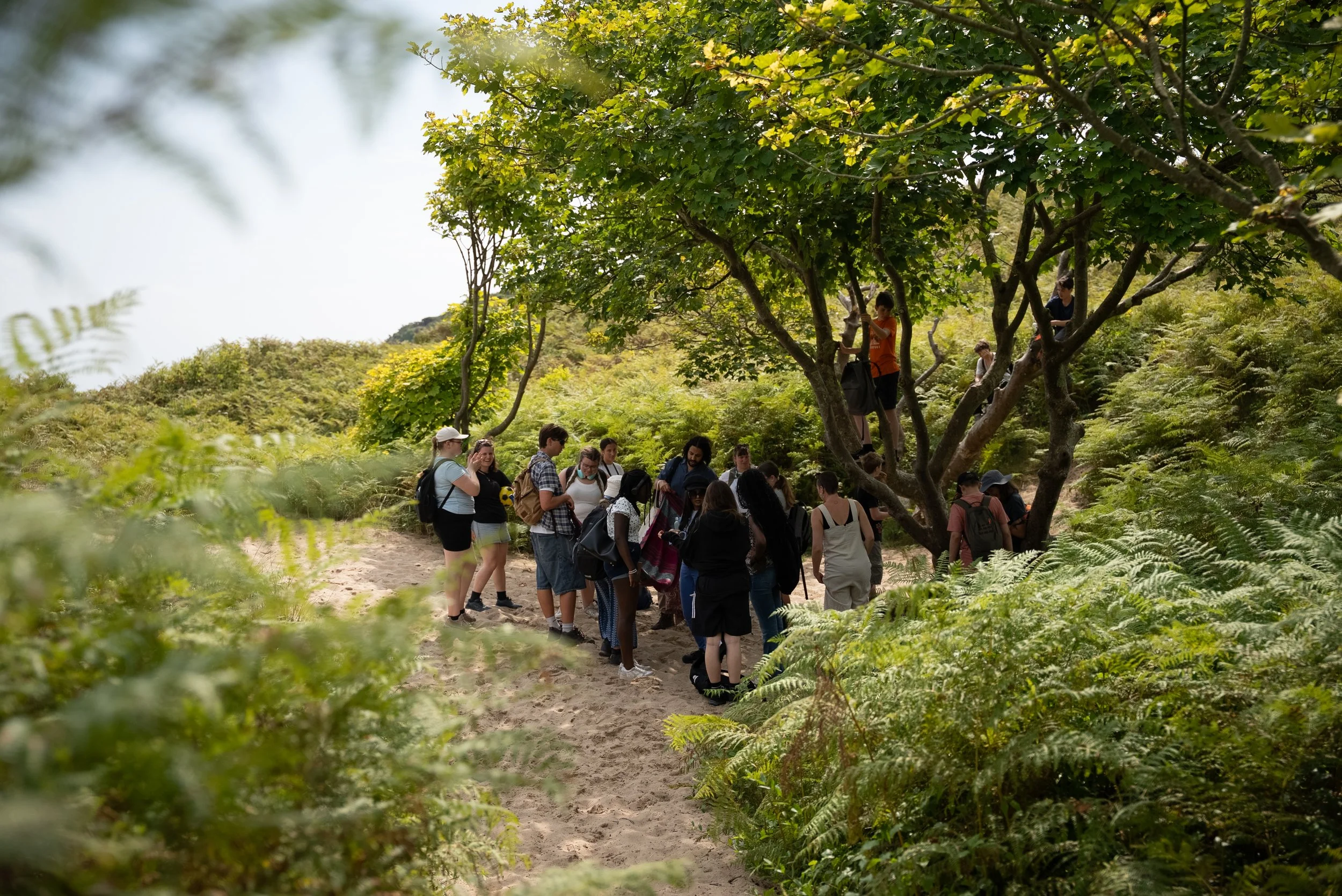
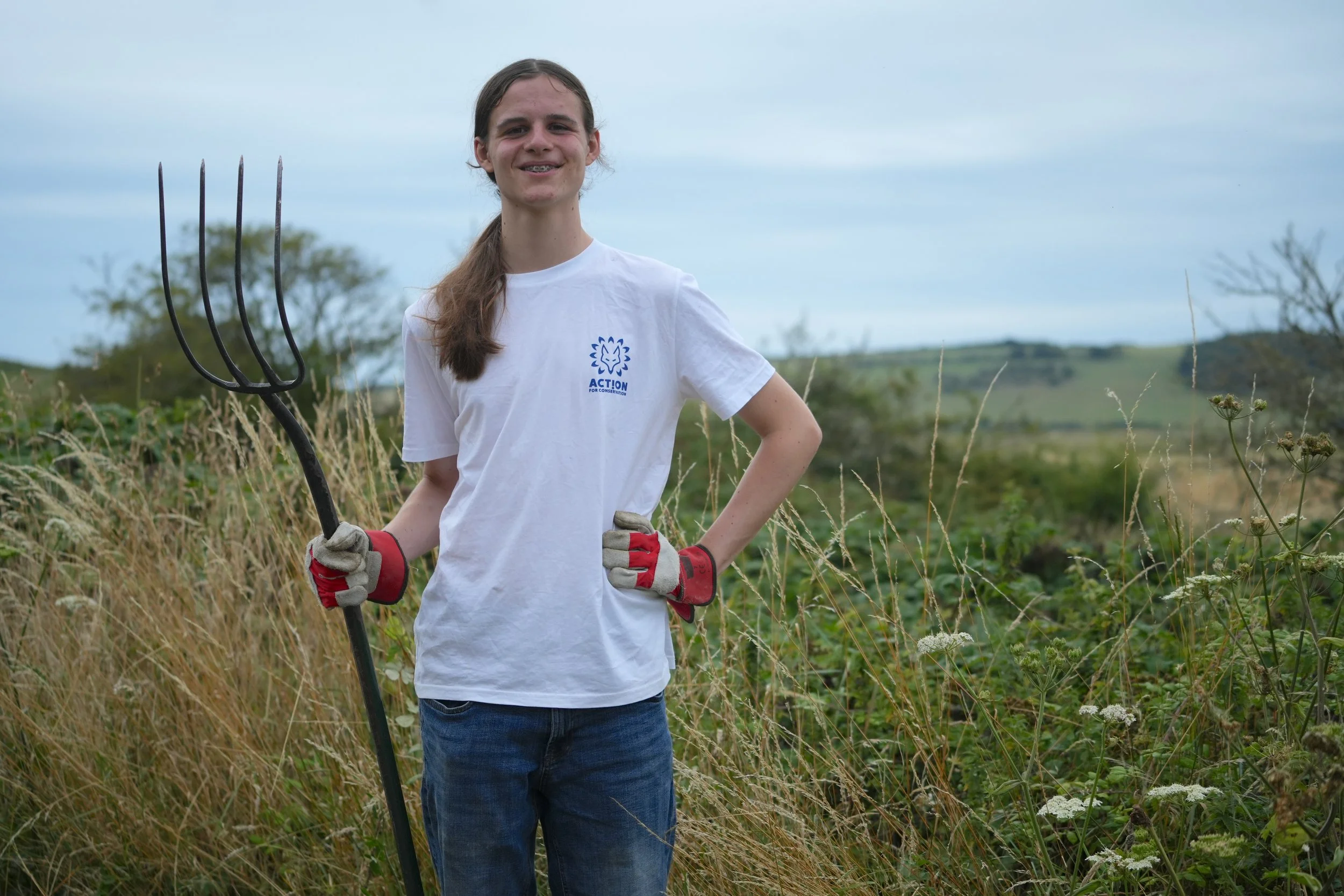
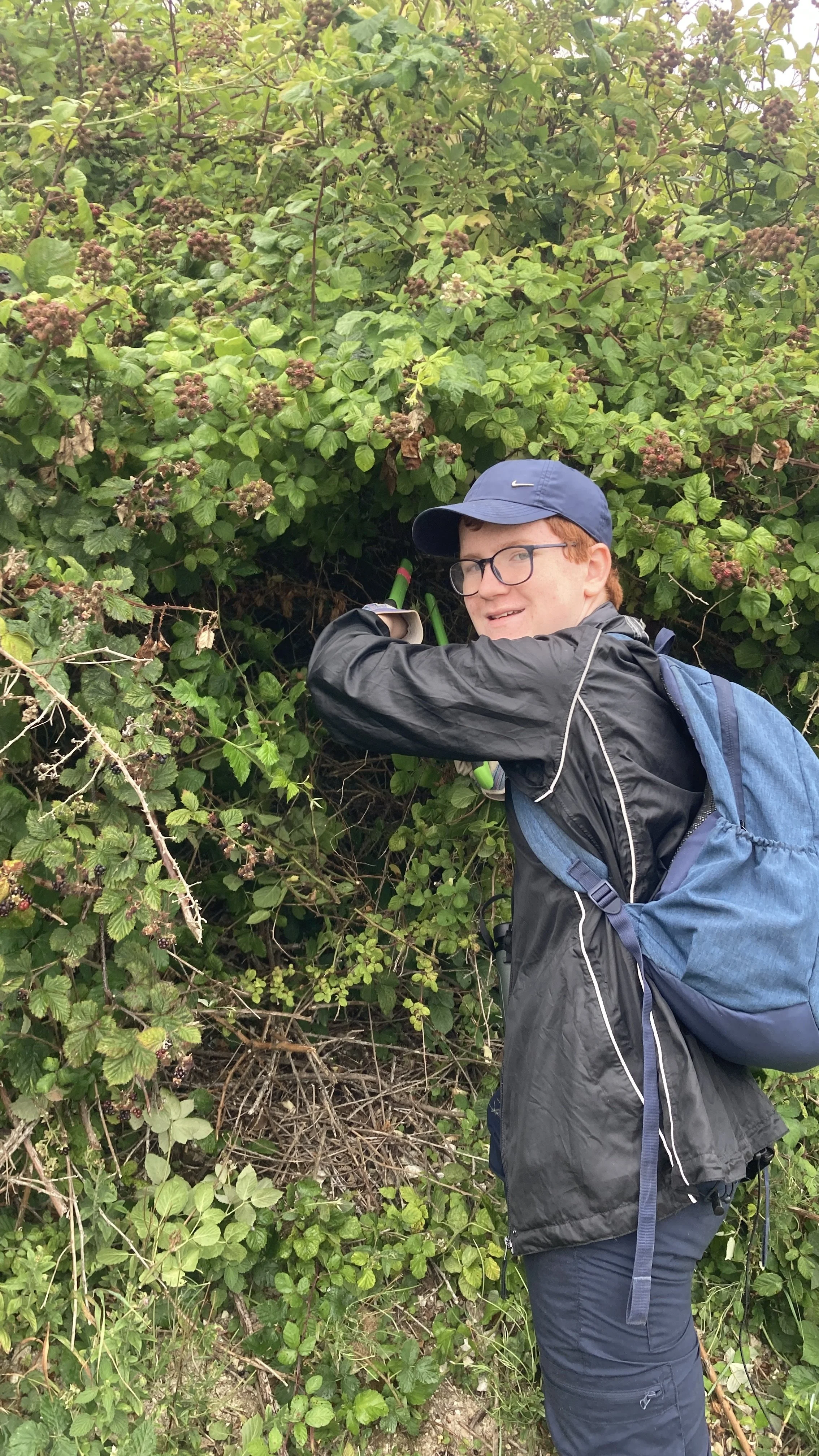
Alex is seen cutting back brambles
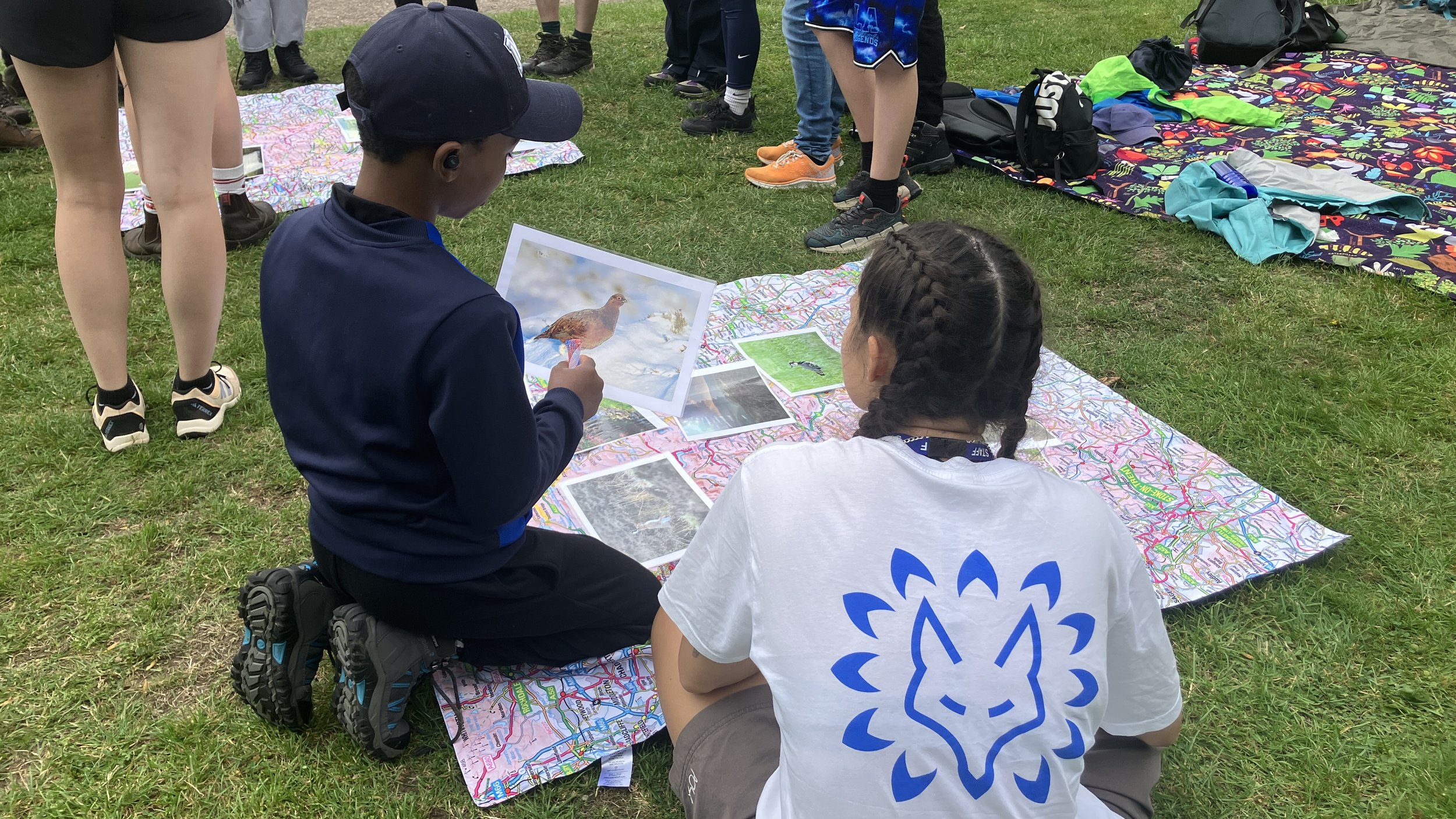
Each day we took part in a different and diverse programme of activities, many of which took place in the heart of local country parks or by the beach or a river. Under the guidance of expert conservationists and AFC staff, we did the following:
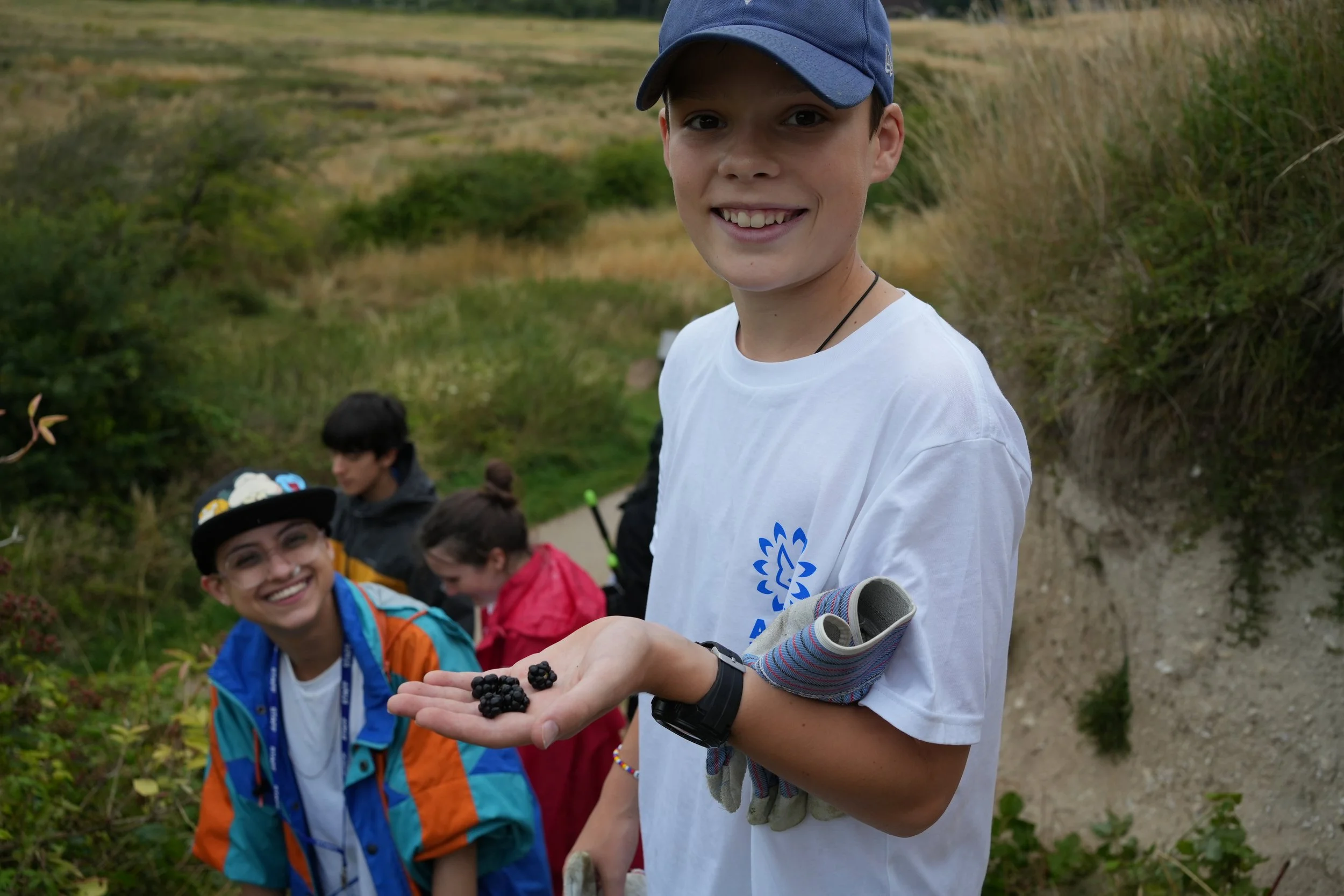
We cleared brambles to help maintain the ecological balance of vital green spaces (check out the picture to the right). The aim of clearing invasive species was to see first-hand how small actions can contribute to healthier ecosystems.
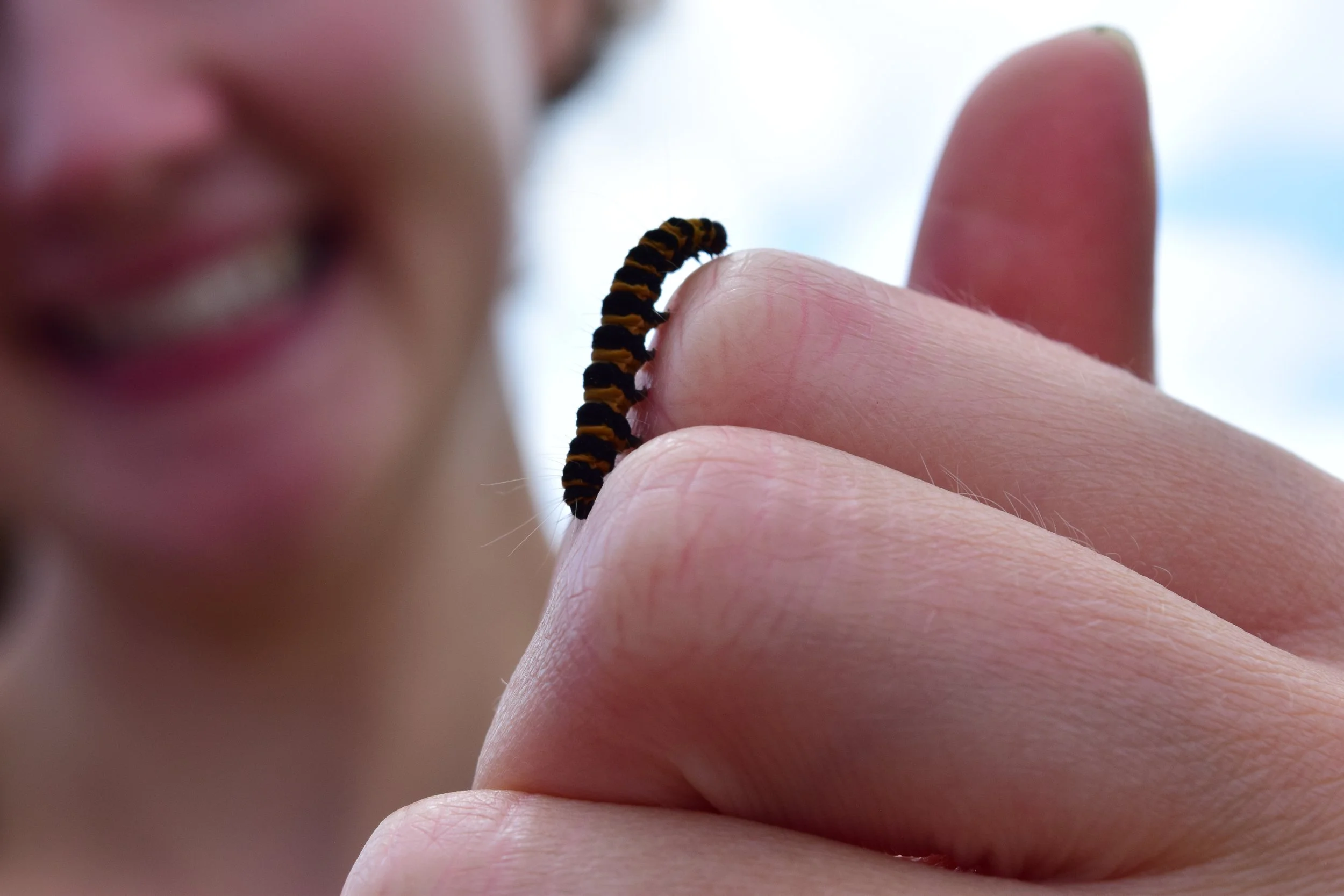
Another key focus of the camp was identifying and surveying different species of flora and fauna, from wildflowers and ancient trees to butterflies and birds. By recording our findings, we knew we were contributing to valuable ecological data which is used to monitor biodiversity and influence conservation strategies.
We weighed birds and were able to hold birds such as Chiffchaffs and Robins. It was a very early start (6:45am) but my absolute highlight of the trip!
One of the most memorable highlights of the camp was a session on bird ringing, an important research method used to track migration patterns and population changes. With the guidance of licensed experts, we saw how tiny, lightweight rings are attached to birds’ legs without causing them harm.
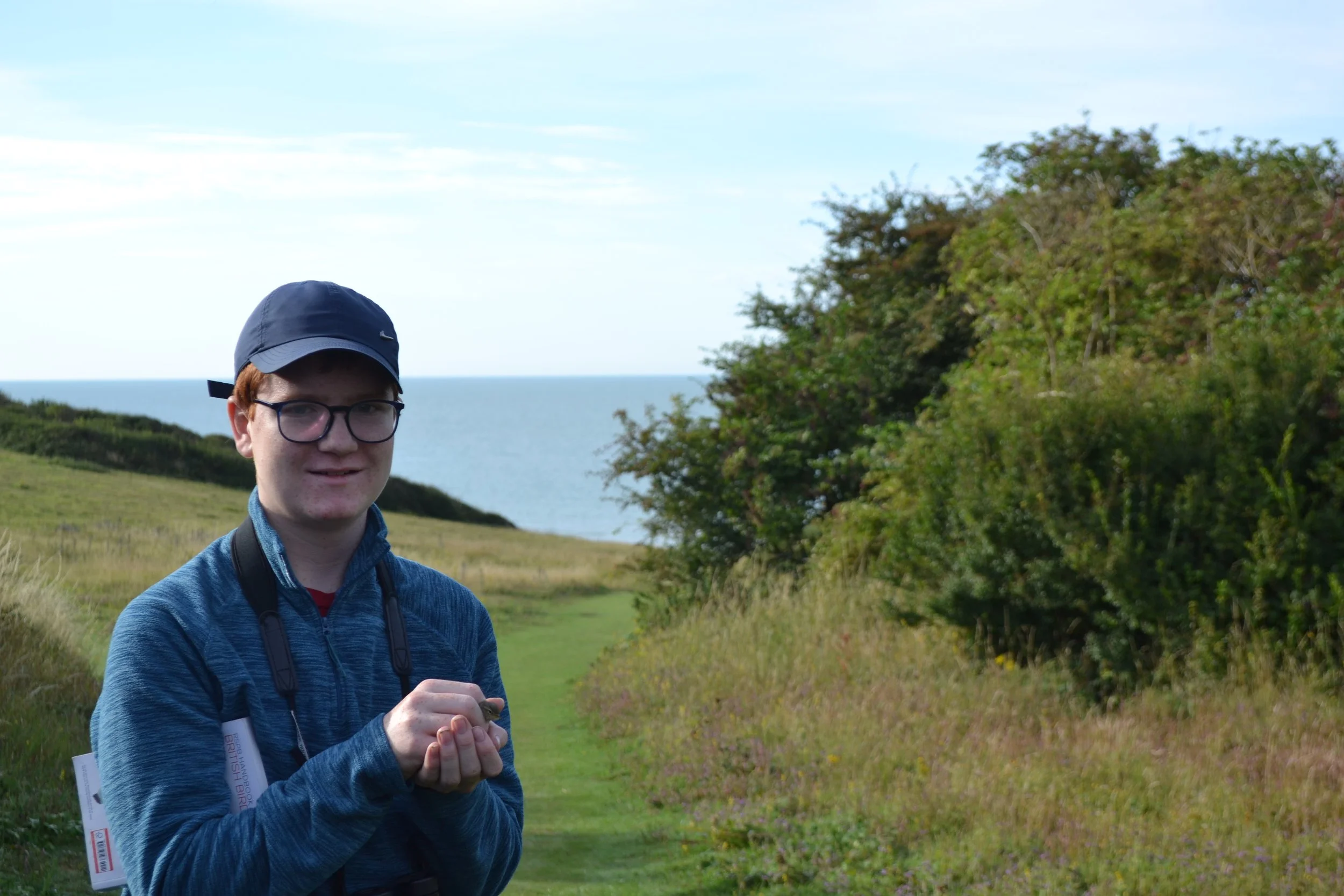
Alex holding a chiffchaff under supervision of expert bird ringers.
In addition to all the practical skills we experienced, the camp emphasised the importance of community, teamwork, and the hope of tackling the environmental challenges of today. There were workshops in which we were encouraged to think critically about environmental issues and develop our own ideas for positive change. I definitely saw myself as part of a movement of young people committed to protecting nature.
It was an absolutely brilliant experience and I would recommend anyone who has a passion for nature or the environment to apply for a place on a future AFC camp. I would attend again given the chance!
Thanks for reading!
Alex
You can find out more about AFC’s Summer Camps by visiting our website. Applications for the 2026 Summer Camps are open until 4th May 2026 at midnight!