
Author: Jessica, AFC Ambassador
The Wild Summit is an annual event that brings together communities, policymakers, scientists, campaigners and businesses to discuss the challenges facing nature in the UK and inspire collective action to protect it. Earlier in the autumn, I was incredibly excited to be offered the opportunity to attend and hear from some of the major voices in the conservation sector. A broad programme of talks and activities was available for attendees, on topics ranging from the protecting marine environments to the impact of pheasants on our landscapes.
Of particular interest to me was a panel discussion on England’s protected landscapes that questioned whether they truly have the capacity to act as a “backbone of restoration” or whether anthropogenic influence has resulted in irreparable degradation that prevents them from serving their intended purpose. Although the initial outlook may seem bleak, with the current freeze on designating new Sites of Special Scientific Interest and continued overgrazing (there are eight times as many sheep in national parks as there are people!), the discussion went on to highlight how a narrow focus on their ecological functioning risks oversight of their wider value. Protected landscapes are, and always have been, more than ‘just nature’ and it is arguably exactly this human involvement that makes such areas unique, as they weave together culture, history and the natural world. The discussion emphasised that, while ensuring stronger protection for biodiversity is vital to enable national parks to maintain their integrity as a source of national pride, it is also important not to overlook the distinct and long-standing relationships between humans and nature they shape. This connection was reiterated across many of the talks, which emphasised the need to deconstruct artificial divides that cast humanity as inherently separate to nature: when we came together to discuss protecting the environment at the Wild Summit, we were also discussing our own futures and the lives of the generations that will come after us.
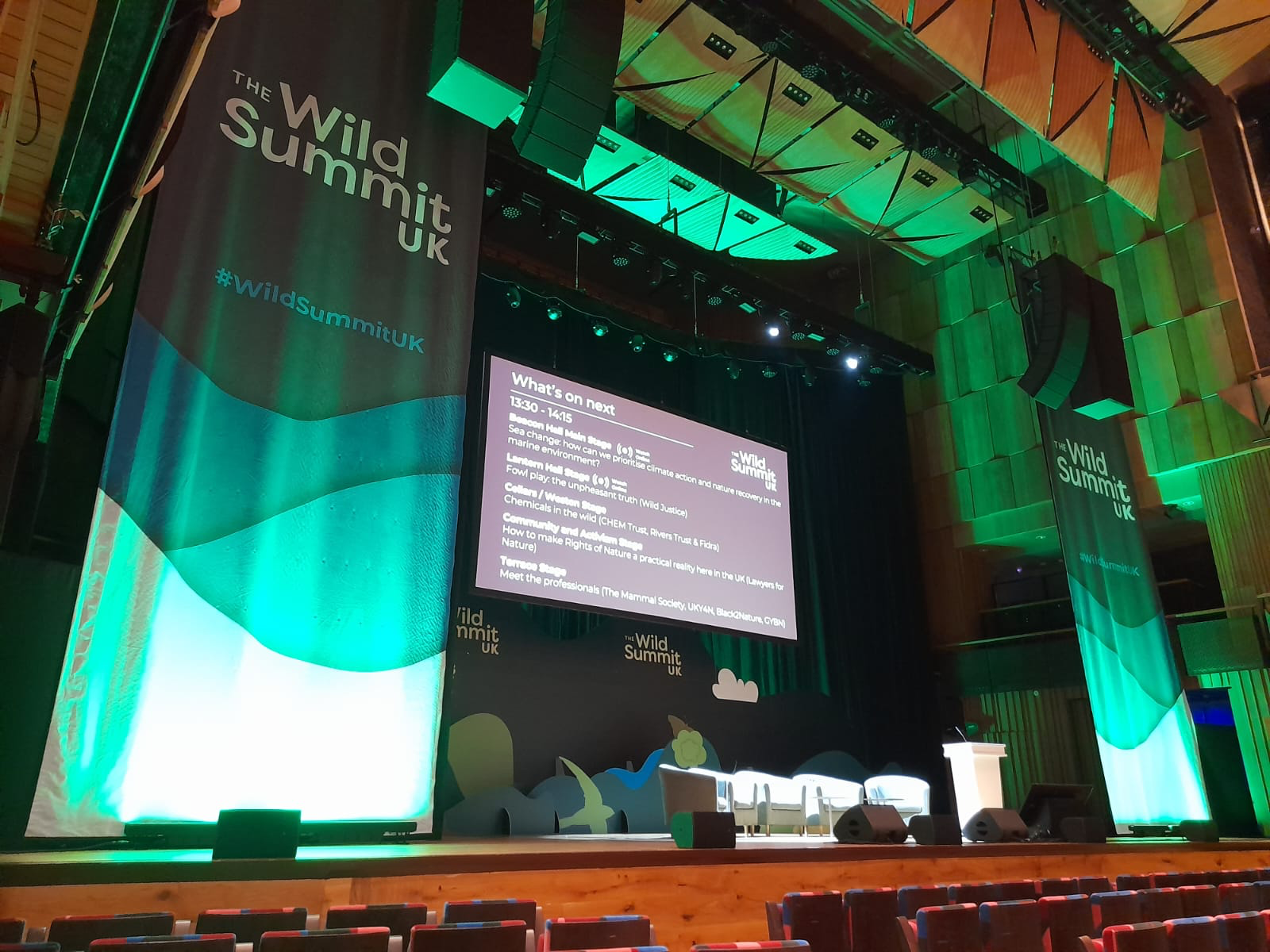
As well as connection between humans and nature, another recurring theme was the power of collective action and working together. During the event, it was hard not to feel encouraged by the sight of hundreds of committed people all united by a deep passion for a common cause. From farmers to campaigners to politicians, people from a wide array of perspectives and backgrounds came together to envision a better future, establishing a tangible sense of community. I found this particularly noticeable in some of the more interactive workshops, where participants often approached the same issues through entirely different lenses, highlighting possible trade-offs and spillovers that someone working alone may easily have missed. This clearly demonstrated to me the value of involving a range of voices in formulating solutions to some of the present’s most pressing problems, as well as showing that differences of opinion can be productive rather than simply hindering efforts. In addition, between activities, there was the opportunity to hear first-hand from some of the organisations and groups working to promote environmental conservation. I enjoyed speaking to the individuals who are directly involved in protecting the natural world and it inspired me to continuing pursuing a career in an environmental-related field and seek out more ways to get involved with conservation locally.
Finally, I am very grateful to have been offered the opportunity to attend such an engaging and hopeful event. I feel as if I have learned a lot about the current state of the environment in the UK and the measures we are taking (or should be taking) to conserve it. But what stood out to me most was interconnectedness. Whether it was hearing about how reducing agrochemical use had benefitted farmers economically, environmentally and personally through enhancing their satisfaction with their work, or seeing how different threats had interacted to cause the collapse of an ecological Jenga tower, it was clear that understanding the bigger picture and all its connections is crucial for identifying challenges facing nature as well as solutions to them. The Wild Summit also provided a perfect opportunity for the many organisations and individuals involved in conservation to deepen their connections and share ideas, paving the way towards an even more collaborative future. I feel very lucky to have been involved!
Thanks so much for reading!
Jess